Art has been with us since before written language. Someone stood in the dark, pressed pigment to stone, and made a mark. Not for an algorithm, not for engagement metrics, likes or a pay out, but because something inside them needed to get out. That impulse is as old and pure as humanity itself. It is, I'd argue, one of the most fundamentally human things we do.
I took things apart as a kid much to the dismay and frustration of my parents. I've worked in tech for over fifteen years. I learned to code the hard way, built things from the ground up, and developed a genuine understanding of how systems work, including the ones currently sitting at the centre of one of the most heated cultural arguments of our time. I also make films, write, create, and have spent years building a small creative practice I care very deeply about. I live at an intersection most people don't, and I think that gives me a unique perspective worth sharing, even if not everyone will agree with it.
Distinction Matters
So let me be straight about something: I use AI. Every day, in fact. At work, for personal projects, for organising my thoughts, for the kind of 2am "is this idea actually coherent" research conversations that used to just rattle around in my head unanswered. I use it as a thinking tool, a sounding board, an organisational layer. It's a tool for taking the chaos of my mind and taming it in a way I've never truly been able to before. What I don't use it for is making my art.
That distinction matters enormously to me, and here's why.
When I need a thumbnail for a video, I commission an artist friend. When I need another voice, I ask someone. When I want art of my fursona, I commission it. I do this deliberately, not out of a sense of obligation, but because I understand how important art actually is and why who creates it matters. Art is communication in its purest form. Not of words, but of emotions, of feelings, of things that cannot be explained, only felt. It is a transmission between two human nervous systems, and the origin matters as much as the output. When someone made that cave painting, the act was inseparable from the object. If you remove the human need behind it then it's completely without meaning. You don't have art without the artist. You have something else entirely.
The Ethical Dilemma
I'm not naive about the concerns people have. I have artist friends, voice actors, creators whose livelihoods are genuinely threatened by how this technology is being deployed at scale. That anger is legitimate, real and well founded. Watching corporations strip-mine creative labour to cut costs and hiding it all under the banner of "innovation" is a real and serious harm worth being furious about. The decay of our digital spaces with invasive species of slop damages and dilutes the creative world that was once a domain of pure human ambition.
This leaves us with a dilemma. Do we cast aside all AI since it cannot easily be separated from it's capitalistic roots or do we use it ethically, supporting the causes that advance humanity and rejecting those that don't serve the greater good? We can't trust corporations to put ethics over profits, but end users can make or break a product with their informed choices.
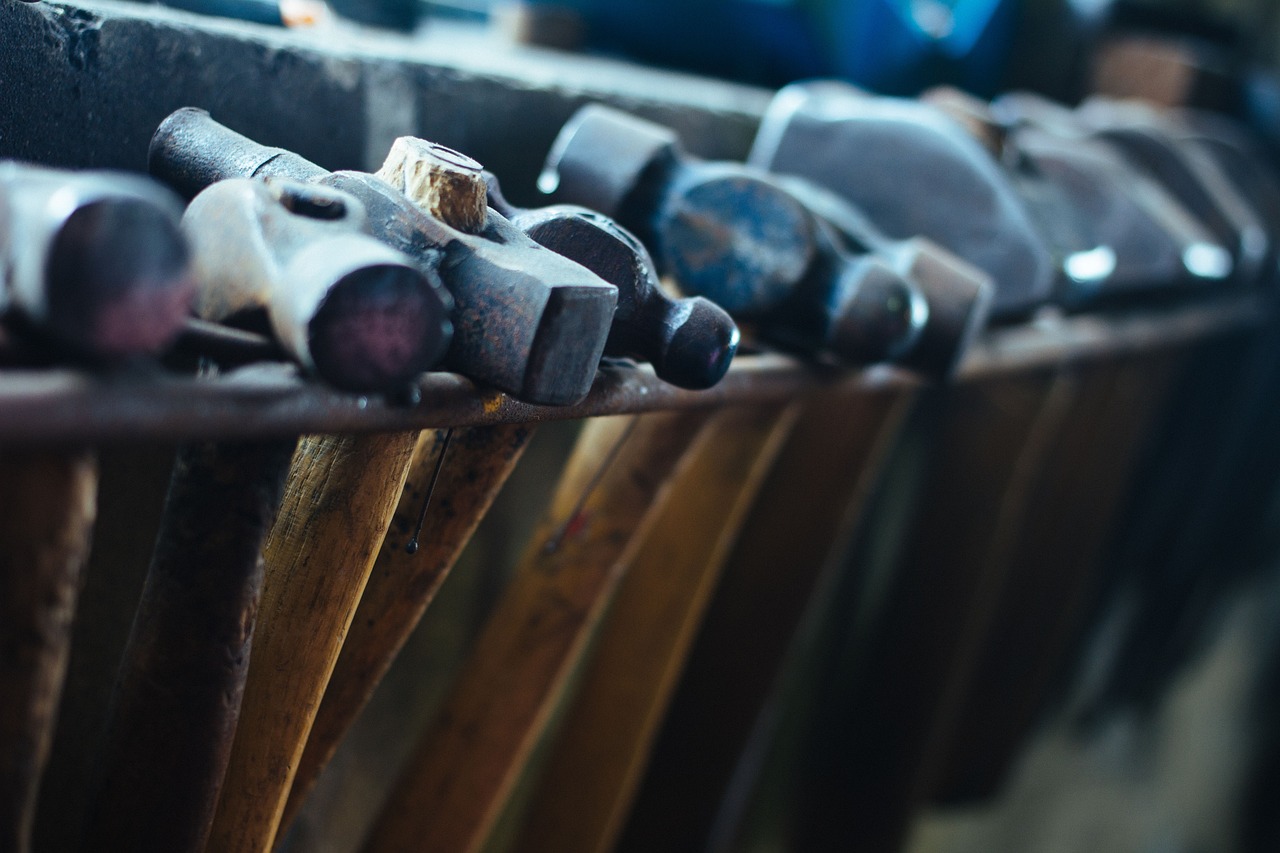
AI doesn't have a morality. It never did. A hammer can build a house or cave in a roof. The technology doesn't make that choice. The person holding it does. AI has brought us major advances in medicine, engineering and the sciences but equally has been used to plagiarise and destabilise entire industries.
The End User Decides
That's where I've landed after a lot of thought: the ethical weight sits entirely with the user, and each of us is making a choice about what kind of creative ecosystem we want to exist going forward. Someone building an automated content farm to flood YouTube with generated slop is making a choice. Someone using the same tools to get their thoughts in order so they have more energy for actual creative work is making a different one. Collapsing both into the same moral category isn't nuance, it's just noise.
I won't pretend walking this line is comfortable. Admitting to any AI use in creative circles currently carries the social risk of a confessional, as though there is only one morally correct answer and this isn't it. But I've reached the point where I'd rather stand for something clearly than stay quiet out of fear of the reaction. My practice is considered. My values around art and human expression are, if anything, stronger for having thought this through properly.
I believe in art. I believe in the irreplaceable warmth of a human hand behind a piece of work, the message carried in every choice a real person made. I support artists with my money and my platform, however small it is. And I use a tool to help me think, plan and organise so I can create too.
Those things are not in conflict.
If a picture is worth a thousand words, every single one of them is silent in generative form. Art is for humanity, tasks are for the machines.